
Why Is My Baby Waking Every Hour?
Why Is My Baby Waking Every Hour? Understanding the Real Reasons Behind Frequent Night Wakings
If your baby is waking every hour, you’re not alone — and you haven’t done anything wrong. Frequent night wakings are one of the most common concerns parents bring to me, and the reasons behind them are often completely normal, manageable and fixable.
Let’s break down the most likely causes and what you can start doing today to help your little one sleep more peacefully.
1. Your Baby’s Sleep Cycles Are Still Developing
Babies have shorter sleep cycles than adults — around 45–60 minutes.
This means they naturally rouse at the end of each cycle, and if they’re unable to settle themselves back to sleep, they will fully wake and call for you.
This is not misbehaviour — it’s development.
What can help:
Establishing consistent bedtime routines, introducing gentle settling techniques, and supporting self-soothing skills.
2. Hunger or Growth Spurts
Babies often cluster feed or need extra calories during developmental leaps.
Growth spurts at 6 weeks, 3 months, 6 months and 9 months can temporarily increase night wakings.
What can help:
Ensuring balanced daytime feeding, encouraging full feeds rather than snacking, and monitoring growth milestones.
3. Overtiredness (The Silent Culprit!)
It feels backwards, but babies who are too tired actually sleep worse.
When overtired, cortisol floods the system — making it harder for them to fall and stay asleep.
Signs of overtiredness:
Short naps
Fussiness
Rubbing eyes
Hyper alert before bed
What can help:
Appropriate nap schedules, relaxing pre-sleep routines, and consistent wake windows.
4. Sleep Associations
If your baby falls asleep with rocking, feeding or a dummy, they may expect the same conditions every time they enter a new sleep cycle.
This doesn’t mean you must stop comforting your baby — only that a gradual sleep plan helps them learn new, sustainable ways to settle overnight.
5. Discomfort or Developmental Changes
Babies commonly wake more during:
Teething
Learning to roll/sit/crawl
Reflux or digestive discomfort
Temperature changes
These phases are temporary and manageable with the right strategy.
When Should You Consider Sleep Support?
If hourly wakings continue beyond a typical regression window, it may be time to seek personalised guidance.
A tailored sleep plan can transform fragmented nights into calmer, predictable sleep.
You deserve rest — and so does your baby.
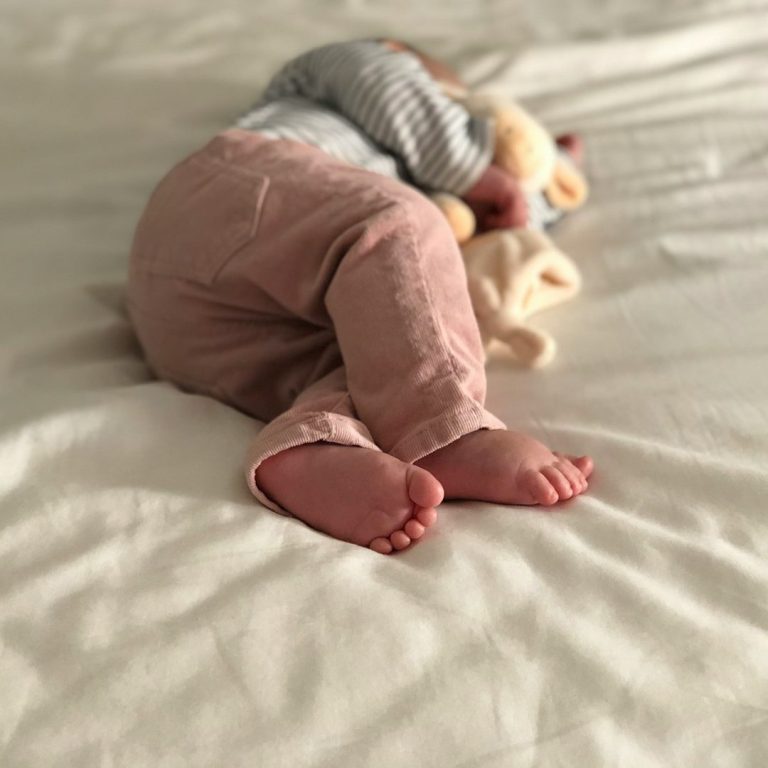
Why is Sleep Important for Infants?
Understanding Sleep Needs for Little Ones
Sleep is crucial for your infant's development and overall well-being. During their slumber, growth hormones are released, and their brains are busy forming those vital connections necessary for cognitive development. Prioritising sleep not only enhances their mood and behaviour but also lays the foundation for healthy habits in the future.

What are Sleep Training Techniques?
Effective Methods for Peaceful Nights
Sleep training encompasses various methods designed to help children learn how to fall asleep independently and stay asleep throughout the night. Techniques such as the Ferber method, the chair method, and gentle sleep coaching allow you to find an approach that aligns with your parenting style while fostering a new routine for sound sleep.

Establishing a Bedtime Routine
Creating Calm Before Sleep
A consistent bedtime routine can significantly impact your child's ability to wind down and fall asleep with ease. Activities like reading a story, dimming the lights, and offering a warm bath signal to your child that it's time to rest. Discovering what works best for your family and cultivating a calming environment will set the stage for restful nights.

How Can I Help My Baby Sleep Through the Night?
Tips for Restful Nights
Encouraging your baby to sleep through the night often requires a mix of patience and strategy. Consider creating a dark, quiet space for sleep, ensuring they are comfortably swaddled or dressed for warmth, and learning to recognise their sleep cues. Small adjustments in their sleep environment and routine can lead to a more peaceful and uninterrupted night for both of you.
The Science Behind Infant Sleep Cycles
The Science Behind Infant Sleep Cycles: What Every Parent Should Know
Understanding how your baby sleeps is one of the most powerful tools you can have as a parent. When you know why they wake, when they transition between cycles, and how their brain is developing, everything makes more sense — and sleep becomes easier to improve.
Here’s the science explained simply and gently.
1. Babies Have Short Sleep Cycles
Adults cycle every 90 minutes.
Babies cycle every 45–60 minutes, which means:
More transitions
More opportunities to wake
Greater sensitivity to change
This is normal — not a sign of poor sleep habits.
2. Active Sleep vs Quiet Sleep
Infants spend much more time in active sleep (similar to REM).
During this stage, you may see:
Rapid breathing
Twitching
Smiling
Whimpering
This is when the brain is incredibly active and developing.
Quiet sleep is deeper and more restorative — but because babies dip into active sleep frequently, they’re easier to wake.
3. Sleep Cycles Lengthen With Age
As your baby grows, cycles gradually extend, and night waking naturally reduces.
Typical cycle lengths:
Newborn: 40 minutes
3–6 months: 45–60 minutes
6–12 months: 60 minutes
Toddler: 60–90 minutes
This is why routines and gentle sleep teaching become more effective after 4 months.
4. Why Sleep Cycles Matter for Sleep Training
Knowing when a baby transitions into light sleep helps you:
Time naps correctly
Support self-settling
Understand night wakings
Reduce unnecessary interventions
Most babies fully wake at the end of a cycle only when they’re unsure how to return to sleep.
5. How Parents Can Use This Knowledge
Keep bedtime routines calm and consistent
Put baby down drowsy-but-awake when possible
Support independent settling gradually
Avoid overstimulation before sleep
Small, steady changes make a big impact.
Understanding sleep cycles is the foundation of successful sleep improvements — and it empowers parents more than you’d ever expect.
The Science of Sleep in Children
The early years of life are crucial for growth and development, and sleep plays a pivotal role in this journey. Research indicates that children's sleep cycles differ significantly from adults, often characterised by alternate periods of deep sleep and REM sleep, crucial for brain development. Understanding these patterns can empower parents to foster an environment that enhances sleep quality.
Understanding Developmental Sleep Patterns
From newborns who sleep up to twenty hours a day to toddlers adjusting to fewer naps, sleep patterns are ever-changing. At Sleepy Nights, we guide you through these transitions, helping you understand what to expect at each stage and how best to support your child through these shifts, ensuring that they entice peaceful nights and revitalised mornings.
Factors Affecting Sleep Quality
Many factors can critically influence a child's sleep quality, from nutrition to screen time and parenting styles. We provide insights into these elements, alongside practical tips tailored to your child’s specific needs. A well-informed parent is the best advocate for a child’s sleep health, helping you to mitigate issues before they arise.
Establishing Healthy Sleep Habits
To cultivate a strong foundation for sleep, it is essential to implement consistent routines and create a soothing sleep environment. At Sleepy Nights, we emphasise the importance of setting up a calming bedtime routine that signals to your child that it is time to wind down. Our expert advice can help you instil lifelong healthy sleep habits that ensure your child not only falls asleep easier but stays asleep longer.
How to Manage Toddler Night Terrors
How to Manage Toddler Night Terrors: A Calm Parent’s Guide
Night terrors can be frightening to witness, but they’re far more common — and more harmless — than they appear. As a paediatric sleep consultant, I support many families through this phase, and with the right approach, night terrors can dramatically reduce.
Here’s everything you need to know.
1. What Exactly Is a Night Terror?
Night terrors happen during deep sleep, not during dreaming.
This means your child is not awake, even though they may:
Scream
Cry
Thrash
Look terrified
Appear confused
They usually won’t remember the event the next morning.
2. What Causes Night Terrors?
Common triggers include:
Overtiredness
Missed or short naps
Stress or overstimulation
Changes in routine
Illness or fever
Genetics (they often run in families)
The biggest culprit? Being overtired.
3. What Should Parents Do During a Night Terror?
Most importantly: don’t try to wake them.
Waking a child mid-terror can prolong the episode.
Instead:
Stay nearby
Keep them safe
Speak softly if needed
Allow the episode to pass
Night terrors typically last 5–20 minutes.
4. How to Reduce Night Terrors Long-Term
✔ Improve daytime sleep
Overtiredness fuels night terrors more than anything else.
✔ Use consistent, calming bedtime routines
Predictability supports emotional regulation.
✔ Keep bedtime slightly earlier
Even 15 minutes makes a difference.
✔ Limit screen time before bed
Blue light disrupts melatonin production.
✔ Address any anxiety or changes
Toddler life is full of transitions — reassurance helps.
5. When to Seek Help
If terrors happen multiple times a week or disrupt the whole household, it may be time to develop a tailored sleep plan.
With the right support, night terrors usually decrease quickly and dramatically.
⭐ BLOG POST 4: Signs Your Child May Benefit From a Sleep Consultant
(SEO: “do I need a sleep consultant?”, “child sleep help”, “sleep specialist UK”)
Signs Your Child May Benefit From a Sleep Consultant
Every family faces sleep challenges at some point, but some patterns signal that professional guidance may bring faster, gentler and more effective results.
Here are the most common signs your child — and your whole household — could benefit from paediatric sleep support.
1. Your child wakes multiple times every night
Frequent wakings are normal for newborns, but after 6 months, persistent wake-ups often indicate:
Overtiredness
Sleep associations
Poor sleep structure
Nutritional or routine issues
A consultant helps identify the root cause quickly.
2. Bedtime takes more than 45 minutes
If bedtime feels like a nightly battle, it’s often due to:
Timing mismatches
Inconsistent cues
Developmental leaps
Separation anxiety
A structured approach can transform bedtime into a peaceful, predictable routine.
3. Your child relies on you to fall asleep
Rocking, feeding, cuddling or holding are beautiful bonding moments — but they may also become sleep dependencies.
Gentle sleep strategies reduce overnight wake-ups without taking away comfort.
4. Naps are short, inconsistent or constantly skipped
Good days start with good naps.
If naps are unpredictable, your child may be stuck in an overtired cycle.
A consultant creates a tailored nap structure that works for your child’s age, temperament and routine.
5. Your child has night terrors, bedtime anxiety or frequent early rising
These issues often have underlying causes that can be solved:
Stress
Routine misalignment
Too-late or too-early bedtime
Environmental factors
Personalised guidance can dramatically reduce disturbances.
6. You’re exhausted and not sure what to try next
This alone is reason enough.
A consultant:
Removes the guesswork
Provides emotional reassurance
Offers evidence-based strategies
Tailors everything to your family
Sleep improves fastest when parents feel supported.
Final Thoughts
You never have to struggle through sleep challenges alone. Whether you’re dealing with hourly wake-ups, nap battles or bedtime stress, a customised sleep plan offers clarity, calm and real results.
Better sleep is closer than you think — for your child and for you.

Optimising Room Layout for Serene Sleep
A Space Designed for Comfort
The layout of your child's room plays a crucial role in fostering a relaxing atmosphere. Position the bed away from distractions such as windows and electronic devices to minimise disturbances. Ensure the room is tidy and organised, as clutter can create a sense of chaos. Consider using soft furnishings to create a comforting, snug environment that invites rest.

Illuminating for Relaxation
Creating Ideal Lighting Conditions
The lighting within your child's room should promote relaxation rather than stimulation. Opt for dimmable lights or soft night lights that can be adjusted as needed. Avoid harsh overhead lights and consider the use of blackout curtains to block out unwanted glare from outside. A gentle glow at bedtime can signal to your child's body that it is time to wind down.

Soundscapes for Sleep
The Power of Calming Noises
Incorporating soothing sounds into your child's sleep environment can significantly enhance their ability to drift off. Consider playing white noise, gentle nature sounds, or soft lullabies. These melodic backgrounds can mask disruptive noises and create an auditory cocoon that promotes deep sleep. Experiment with different sounds to discover what resonates best with your child.

Scenting the Sleep Space
Harnessing the Power of Aroma
The right scents can profoundly impact your child's mood and sleep quality. Consider using aromatherapy by diffusing calming essential oils such as lavender or chamomile in their room. These fragrances can encourage relaxation and a sense of safety, making it easier for your child to settle into a peaceful slumber. Always ensure that any scents are age-appropriate and safe for your child.

Identifying Sleep Disorders in Children
Understanding the Signs
Sleep is crucial for a child’s growth and development, yet many children suffer from sleep disorders that can hinder their overall well-being. At Sleepy Nights - Paediatric Sleep Consultant, we believe that every child deserves restful, uninterrupted sleep. Educating parents on recognising the signs of common sleep disorders such as sleep apnea, night terrors, and insomnia is essential for the health of your child. Sleep apnea, characterised by pauses in breathing during sleep, can lead to severe consequences if left untreated. Parents should look for indicators such as loud snoring, gasping for air during sleep, or persistent daytime fatigue. Equally concerning are night terrors, where a child might scream, thrash, or appear terrified while still asleep – often leaving parents puzzled and worried. Early identification is key. If you notice any of these signs in your child’s sleep patterns, it is important to seek help from a professional. At Sleepy Nights, we offer expert guidance tailored to each child’s needs, helping families understand these challenges and find effective solutions. Don’t let your child’s sleep issues linger; empower yourself with knowledge and take the first step towards a peaceful night's sleep for your family.

Transforming Sleep for Happy Families
At Sleepy Nights, we believe that every child deserves a peaceful night’s sleep, and so do their parents! Our dedicated Paediatric Sleep Consultant has helped countless families unlock the secrets to restful nights through personalised strategies tailored to each child’s unique needs. But don’t just take our word for it! Here’s what some of the parents have to say about their journey to better sleep: "After weeks of sleepless nights, we found Sleepy Nights. Their practical advice and understanding of our situation changed everything. Our little one now sleeps through the night and we couldn’t be happier!" – Emily & Jack "I was sceptical at first, but the guidance we received was so straightforward and effective. Our bedtime routine has completely transformed, and we now look forward to bedtime instead of dreading it!" – Sarah "The understanding and emotional support we received during our consultation were just as important as the sleep techniques. Our consultant didn’t just care about our child’s sleep; she cared about our family’s wellbeing." – Mark Join the growing community of satisfied parents who have successfully navigated their little ones’ sleep challenges with our expert guidance. At Sleepy Nights, we’re here to help make sleepless nights a thing of the past!
Unlock the Secrets to Sleep: Expert Advice for Your Child's Restful Nights
At Sleepy Nights - Paediatric Sleep Consultant, we understand that every child is unique and so are their sleep challenges. Our Expert Advice section is dedicated to providing parents with tailored support, addressing your specific sleep dilemmas. Whether your little one struggles with bedtime routines, nightmares, or transitioning from crib to bed, our team of experienced consultants is here to help. We encourage you to submit your queries and receive personalised guidance crafted just for you and your child.
Why Seek Expert Advice?
Navigating the world of child sleep can be overwhelming. With countless theories and strategies, finding the right solution for your child can feel like searching for a needle in a haystack. Our expert advice column simplifies this journey, offering evidence-based strategies and compassionate support tailored to your child’s unique needs. We believe that informed parents foster healthier sleep habits, leading to happier children and more restful nights.
Address Your Unique Sleep Dilemmas
Every query we receive brings us closer to solving specific sleep challenges faced by families. Perhaps your toddler wakes frequently during the night, or maybe your baby refuses to settle at bedtime. Whatever the case, we invite you to share your questions with us. By understanding your unique situation, our consultants can provide actionable advice that resonates with your family dynamics and your child’s personality.
Personalised, Compassionate Support
At Sleepy Nights, we pride ourselves on delivering more than just generic tips. Our expert consultants offer compassionate, personalised support tailored to your family’s individual needs. Each query you send us not only guides our responses but also becomes a stepping stone in building a supportive community for parents facing similar issues. You don’t have to navigate this journey alone; we’re here to empower you with knowledge and techniques that work.
Join Our Community of Informed Parents
By engaging with our Expert Advice column, you become part of a community that values shared experiences and solutions. Discover that you are not alone in your sleep struggles, as many parents grapple with similar challenges. Our collective knowledge, drawn from real-life situations, can illuminate your path to restful nights. Submit your query today and let us help transform your child's sleep experience!
Unlocking the Secrets of Sleep for Children
At Sleepy Nights, we believe that every child deserves a good night's sleep. Our latest insights delve into cutting-edge research that reveals how sleep impacts your child's growth, behaviour, and overall health. Join us on a journey of discovery as we unveil the science behind sleep and its importance for your little ones. With every new study, there's a chance to better understand and improve the sleep patterns of children everywhere.
New Research Breakthroughs in Paediatric Sleep
As experts in paediatric sleep consultancy, we are committed to sharing the latest advancements in sleep research. Recent studies have shed light on the benefits of structured sleep routines and the role of sleep environments. Discover how these findings can be utilised to create the best possible sleep conditions for your child. Stay informed and learn practical strategies that can make a real difference in your family's sleep quality.
Empowering Parents with Sleep Knowledge
Knowledge is power, especially when it comes to ensuring your child sleeps soundly. At Sleepy Nights, we provide parents with the tools they need to foster healthy sleep habits. Our articles are designed not just to inform but to empower you to take action. Learn about common sleep disorders that affect children, and how to identify signs of sleep deprivation, so you can seek help when needed.

Best Practices for Healthy Sleep Hygiene
Creating the ideal sleep environment is vital for your child's well-being. Explore our expert tips on developing a bedtime routine that promotes relaxation and sets your child up for a successful night’s sleep. From optimal room temperature to limiting screen time before bed, our recommendations are based on the latest research in child sleep patterns. Implementing these best practices can pave the way to more peaceful nights for both you and your child.
Join the Sleepy Nights Community
Stay updated with the latest insights and connect with other parents facing similar challenges. Our community is here to support you on your sleep journey. Subscribe to our newsletter for regular updates on new research, tips, and advice from our experienced consultants. Together, we can ensure that every child experiences the restorative sleep they need to thrive.